You have spent weeks staring at dozens of tiny cardboard color swatches. You finally narrowed it down, held them up to the natural light in your living room, and successfully picked the absolute perfect shade of gray, blue, or greige for your walls. You head to the paint counter, ready to place your order, only to be hit with a question you weren't prepared for:
"What sheen do you want that in?"
Suddenly, you are forced to choose between Flat, Matte, Eggshell, Satin, Semi-Gloss, and High-Gloss. Many homeowners panic and just pick whatever the store clerk recommends. However, choosing the right paint finish (or sheen) is just as important as choosing the color itself.
The sheen determines how much light the paint reflects. It completely dictates how the color will look on your wall, how easy the room will be to clean, and how well the paint will stand up to the daily wear and tear of your family. At
Kingdom Painting, we apply hundreds of gallons of premium interior paint across the New River Valley every year. To ensure your next interior painting project is a flawless success, here is our professional guide to choosing the perfect paint sheen for every room in your house.
1. Flat and Matte (The Forgiving Finishes)
Flat and matte finishes have virtually zero shine. Because they do not reflect light, they absorb it, which makes the paint color look incredibly rich, deep, and pigmented.
The Pros: Flat paint is the ultimate "forgiving" finish. If you live in an older home in Blacksburg with plaster walls, or if your drywall has minor dents, nail pops, and uneven patching, flat paint hides those imperfections beautifully. By absorbing the light, it prevents shadows from highlighting the physical flaws in the wall.
The Cons: Flat paint is highly porous, making it the hardest finish to clean. If you scrub a scuff mark on a flat wall with a wet sponge, you will likely pull the paint directly off the drywall or leave a permanent shiny water mark.
- Where to Use It: Ceilings (always use flat on ceilings to hide drywall seams), formal dining rooms, master bedrooms, and low-traffic areas where walls are rarely touched.
2. Eggshell (The Perfect Middle Ground)
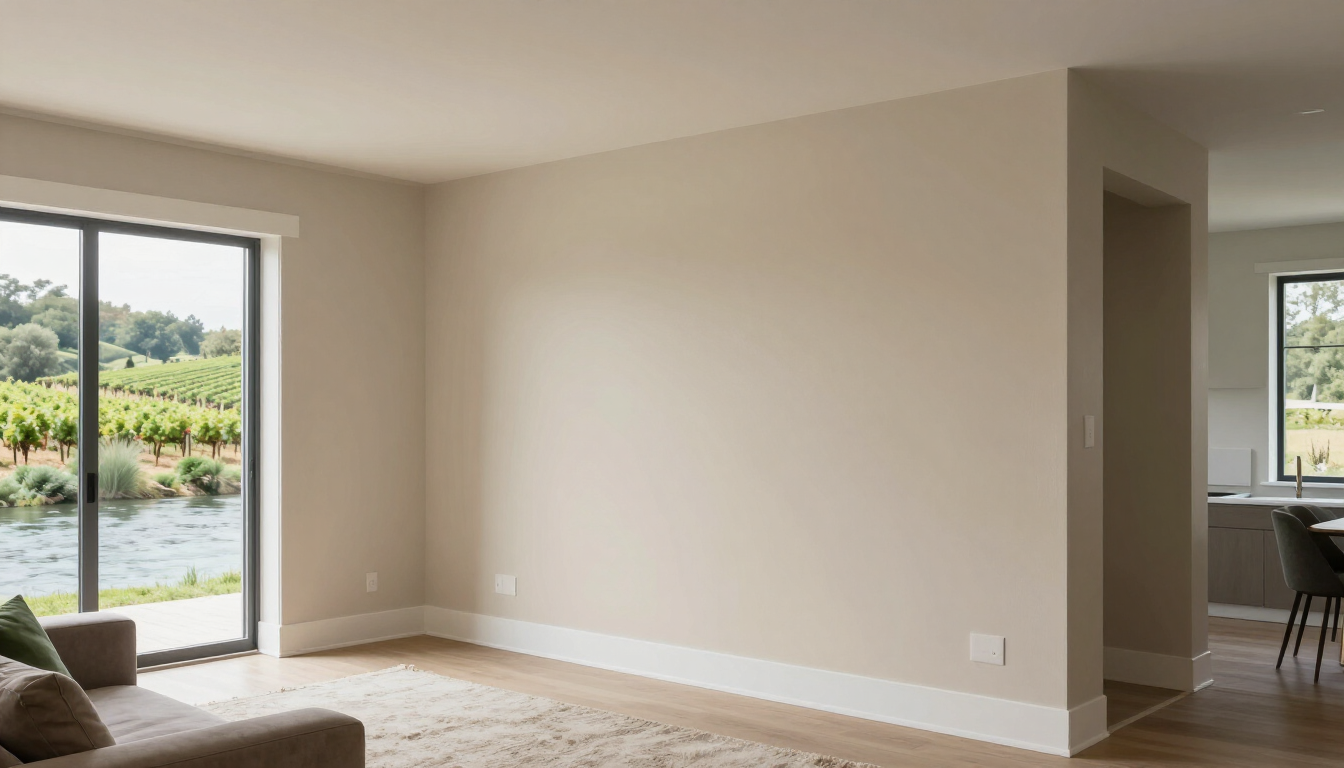
As the name suggests, this finish has the exact same slight, subtle luster as the shell of a chicken egg. It is a step up from flat, offering a very soft glow without looking shiny or wet.
The Pros: Eggshell is the undisputed champion of interior wall paint. It offers the perfect compromise: it still hides most drywall imperfections fairly well, but the slight addition of gloss makes it significantly more durable than a flat finish. You can safely wipe down minor smudges and fingerprints with a damp cloth without ruining the paint job.
The Cons: While it handles light cleaning well, it cannot withstand aggressive scrubbing or heavy moisture.
- Where to Use It: Living rooms, hallways, family rooms, and adult bedrooms. It is the go-to standard for the vast majority of interior walls.
3. Satin (The High-Traffic Hero)
A satin finish has a very noticeable, velvety gloss. It reflects a significant amount of light, which can make dark rooms feel slightly brighter and more expansive.
The Pros: Satin is engineered for durability. Because the paint film contains a high volume of resins and binders, it creates a tough, non-porous shell. It actively resists moisture, mildew, and heavy staining. If your dog shakes mud onto the wall or your toddler draws on it with a crayon, a satin finish can handle heavy scrubbing with household cleaners.
The Cons: Because it reflects light so well, a satin finish acts like a magnifying glass for wall damage. Every dent, bad drywall seam, and poorly sanded patch will be clearly visible. It requires meticulous surface preparation before application.
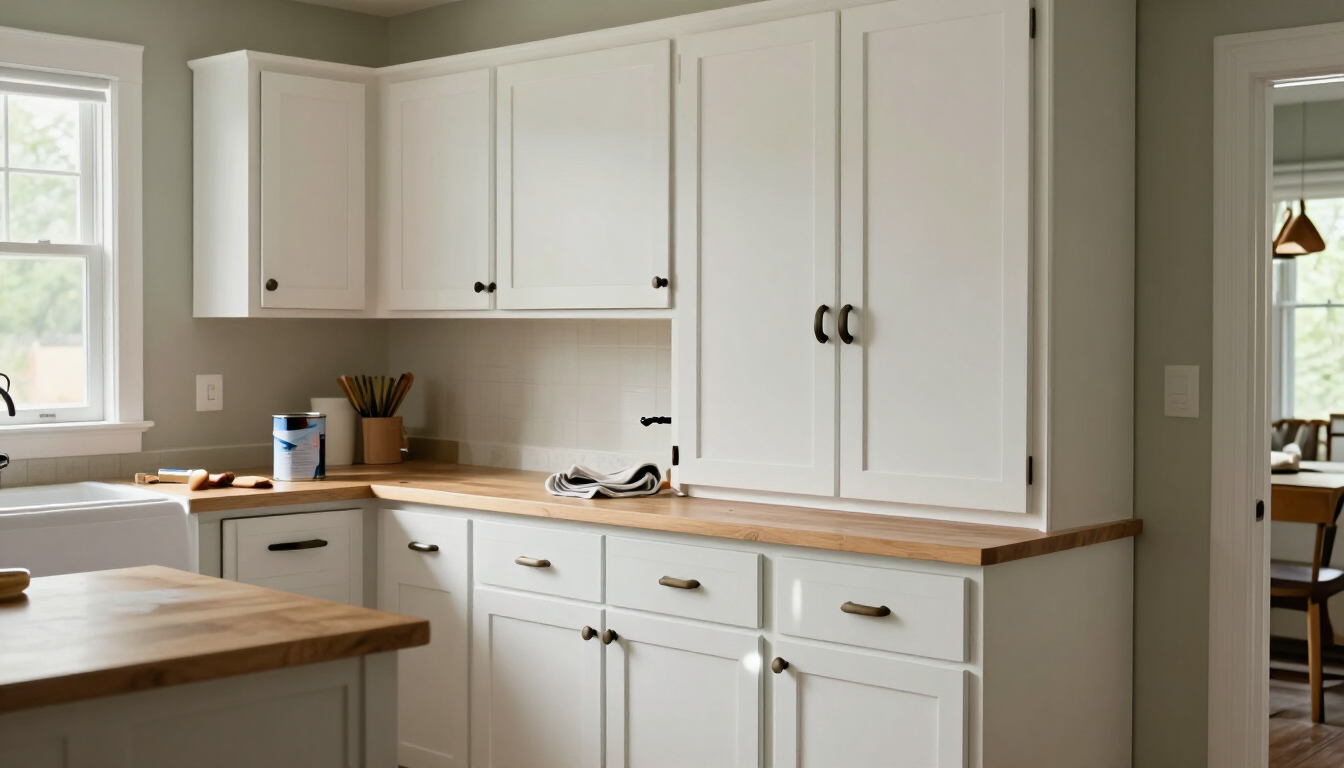
- Where to Use It: Kitchens, bathrooms with heavy steam from showers, mudrooms, laundry rooms, and young children's bedrooms.
4. Semi-Gloss and High-Gloss (The Accents)
These finishes are highly reflective, incredibly slick, and boast a brilliant, glass-like shine.
The Pros: Semi-gloss and high-gloss paints are practically bulletproof. They form an ultra-hard, enamel-like shell that can withstand constant physical impact, greasy hands, and heavy cleaning.
The Cons: You should rarely, if ever, use a gloss finish on a standard drywall wall. The shine is far too intense and will create a harsh, distracting glare from your light fixtures. Furthermore, applying gloss paint requires elite professional skill; if you attempt to roll it on yourself, every single brush stroke and roller mark will be permanently baked into the finish.
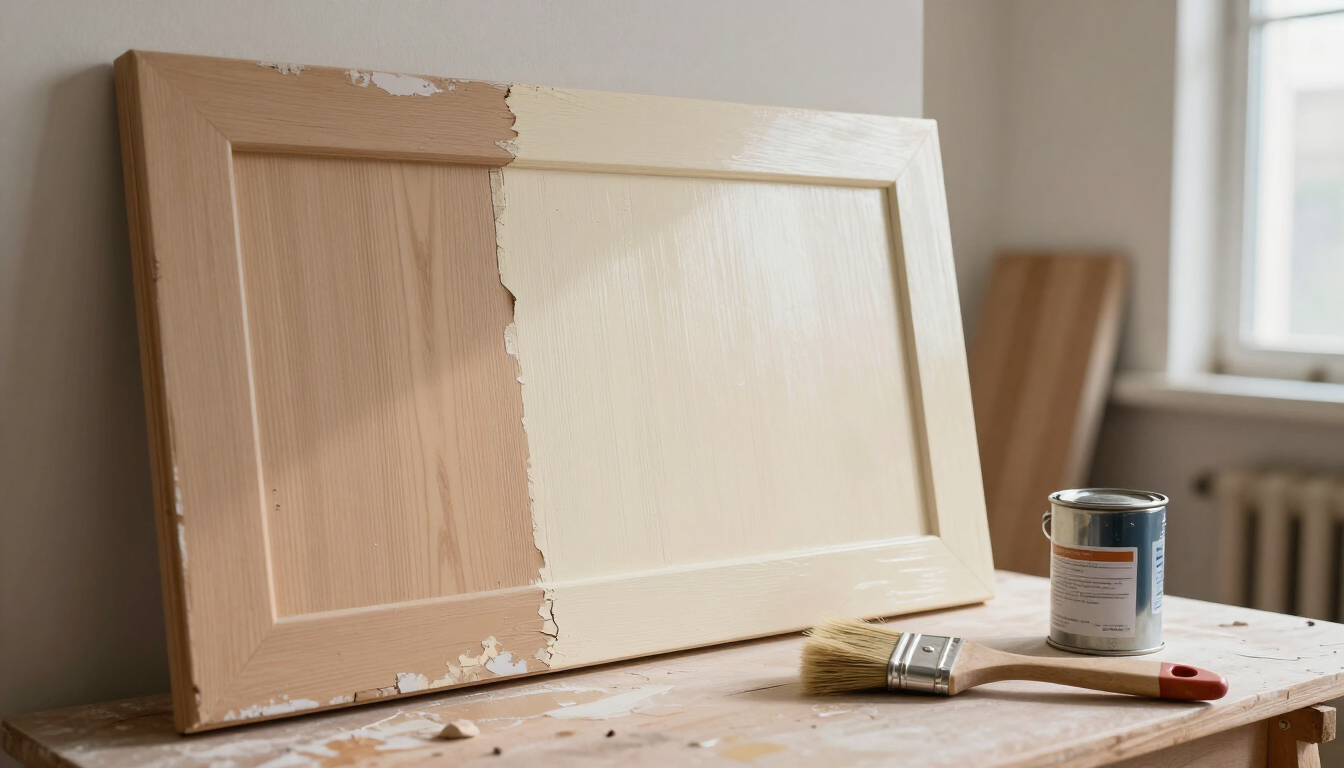
- Where to Use It: Interior trim, baseboards, crown molding, solid wood doors, wainscoting, and kitchen cabinets. Using a bright white semi-gloss on your trim creates a stunning, crisp contrast against eggshell walls.
Flawless Application with Kingdom Painting
Understanding which sheen to use is only half the battle. To truly maximize the durability and beauty of your interior paint, it must be applied over properly prepared surfaces using premium, professional-grade products. Cheap paint, regardless of the sheen, will eventually flash (appear uneven), fade, and fail.
At
Kingdom Painting, we do not cut corners. We take the time to meticulously patch, sand, and prime your walls before a single drop of color is applied. We utilize top-tier paints from industry leaders like Sherwin-Williams and Benjamin Moore, ensuring your home receives a smooth, luxurious, and durable finish that will last for years.
We proudly provide high-end residential painting services to homeowners throughout:
- Christiansburg, VA
- Blacksburg, VA
- The New River Valley
Don't spend your weekend wrestling with paint rollers and confusing sheens. Leave it to the local experts. Contact
Kingdom Painting today at
(540) 541-8928 or visit our website to request your free, detailed interior painting estimate!